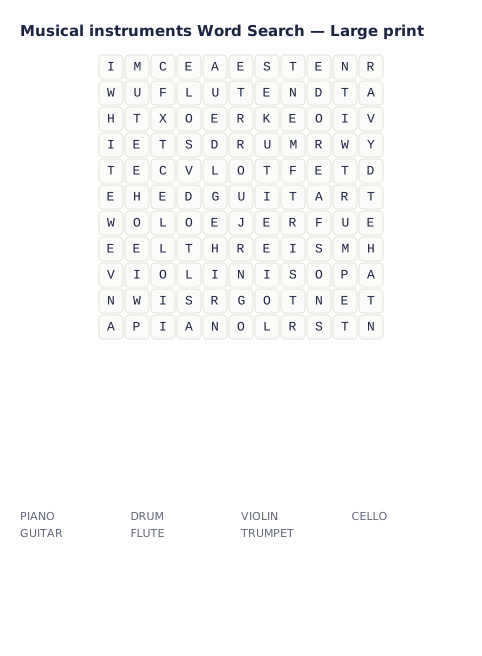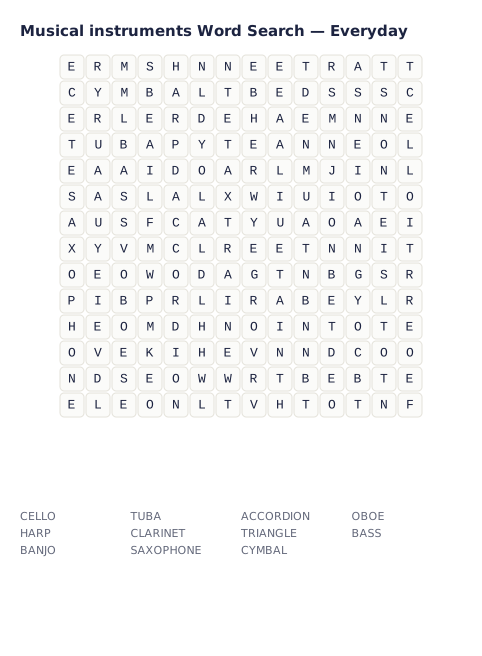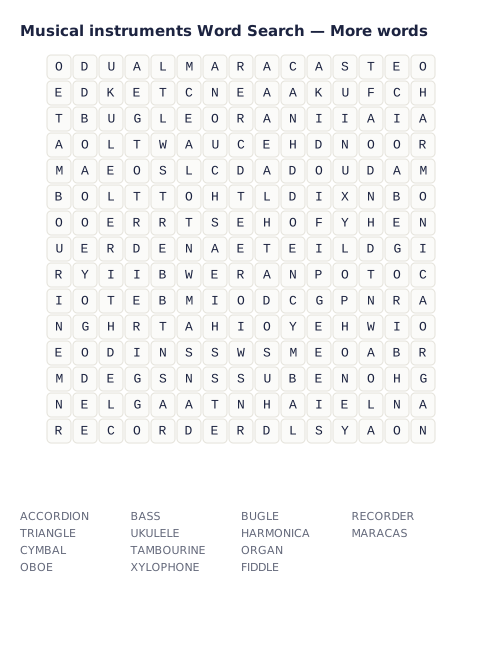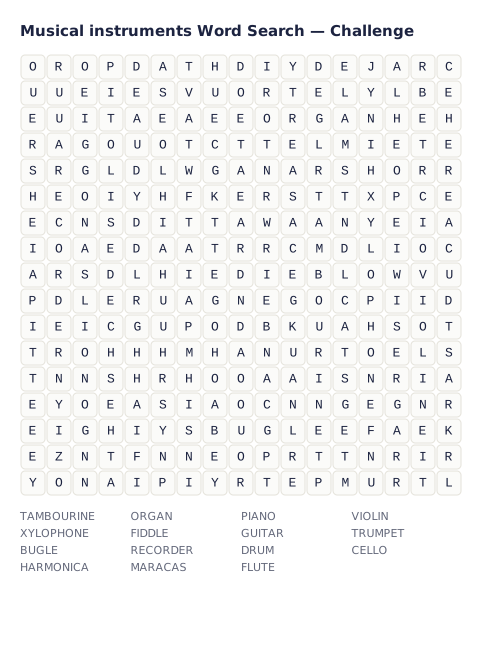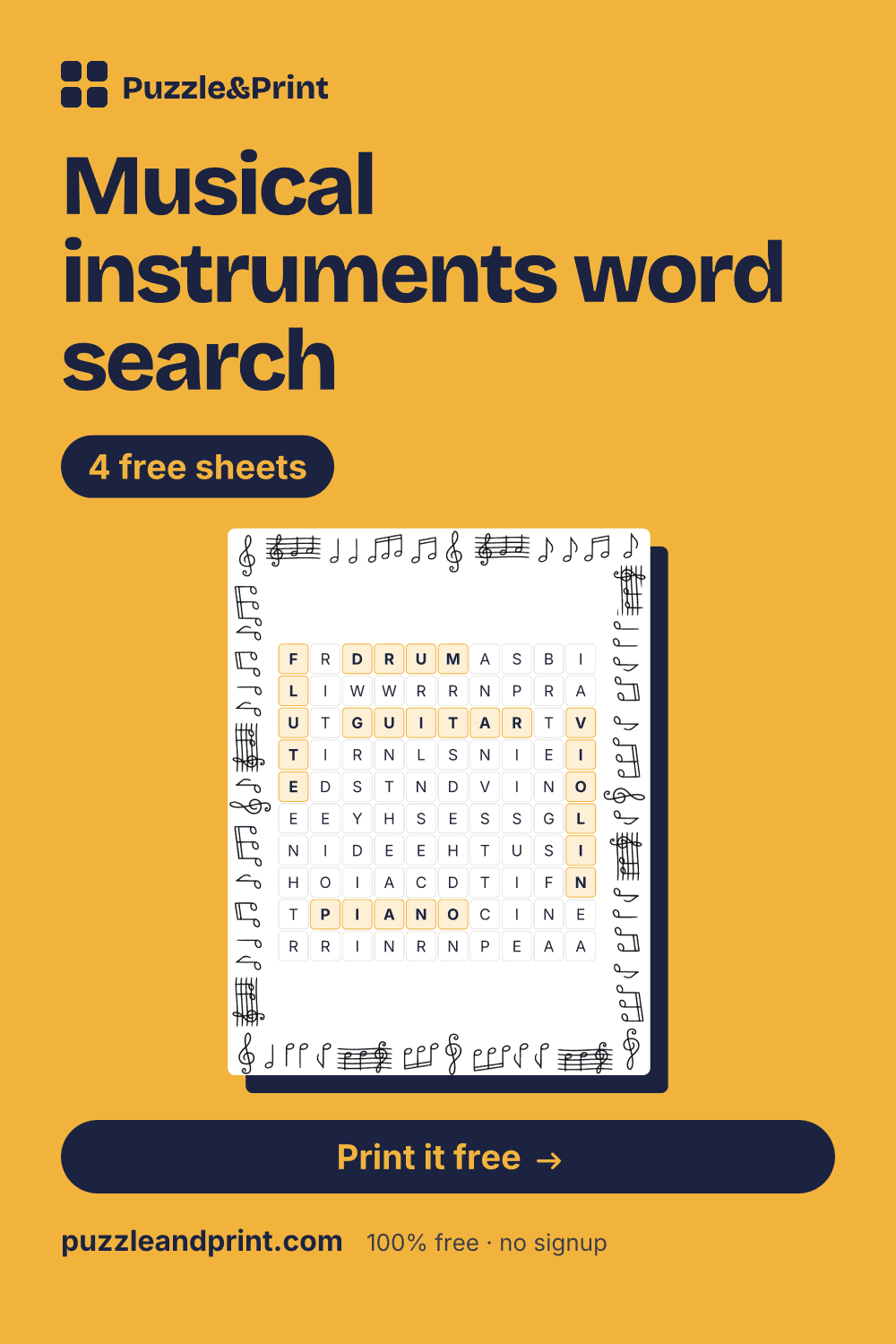
Musical instruments Word Search
- PICCOLO
- OBOE
- XYLOPHONE
- MANDOLIN
- UKULELE
- LUTE
- PIANO
- KEYBOARD
- MARACAS
- SITAR
- SAXOPHONE
- HARMONICA
Created for free at puzzleandprint.com
Instruments from across the orchestra and beyond.
Save this to PinterestCreated for free at puzzleandprint.com
Created for free at puzzleandprint.com
Four sheets, each with a different job. Every one is a two-page PDF, the puzzle, then the answer key on its own page.
Instrument names are unusual vocabulary: children often know the sound and the shape long before they can spell the word. Xylophone and accordion are decoding practice disguised as a music worksheet.
It fits neatly into a music topic, and the longer entries reward a larger grid. If you are working with younger children, the short end of the list (drum, harp, flute) is plenty.
Instrument names are worth doing precisely because they are unusual. Xylophone, accordion and tambourine are words children hear regularly and almost never write.
If a music lesson is coming, running the puzzle first gives the vocabulary a head start. Recognising a written word you have already met is much easier than meeting it cold.
It suits the moment just before they choose one. The list runs from PIANO and GUITAR through to SITAR, ZITHER and TIMPANI, and a child who has found a word is far more likely to ask what it sounds like.
Because it is genuinely two things, and children enjoy catching that. Here it is the percussion instrument. It is a useful reminder that the same word can be filed under two subjects without either being wrong.
Up to twenty-five. Ten to fifteen is comfortable for most grids. If you add more than the grid can hold, the tool tells you which words did not fit rather than silently leaving them out.
Either it is longer than the grid is wide, or the grid filled up before it could be placed. Try the next size up, remove a word, or press New puzzle for a different arrangement, a word that fails one layout often places fine in the next.
Yes. Set difficulty to Easy so words only run left to right and top to bottom, and use a 10 by 10 grid with five to eight short words. That combination is manageable for most children who can read the words on the list.
Always, and it prints on its own page so you can hand out the puzzle without it. Each answer is marked directly on a copy of the grid.
No. There is no sign-up, no email, and no watermark on the printed sheet. Puzzles are built in your browser, so your word list never reaches us.
Yes, use them with your class, your family, your club, or your care home, and print as many copies as you need. The one thing we ask is that you do not resell the sheets themselves.
New printables when they go up, mostly seasonal, a few times a year.