Activity Book Maker
This free activity book maker puts any mix of 13 kinds of page into one printable PDF, from word searches, crosswords and mazes to sudoku, math practice and tracing, up to 60 pages a section for most kinds. Answer pages are gathered at the back and numbered to match each puzzle; tracing pages have nothing to answer, and bingo cards come with a call list instead. Most kinds offer 36 themes, and there is no sign-up and no watermark.
Last updated
| Puzzle | Theme | Pages | Difficulty | Order | Remove |
|---|---|---|---|---|---|
Drawing the page...
Sheets from the makers a book can use
These are ready-made sheets from each maker’s own pages, not pages taken from a book. A book’s pages come from the same makers, at the sizes described below.
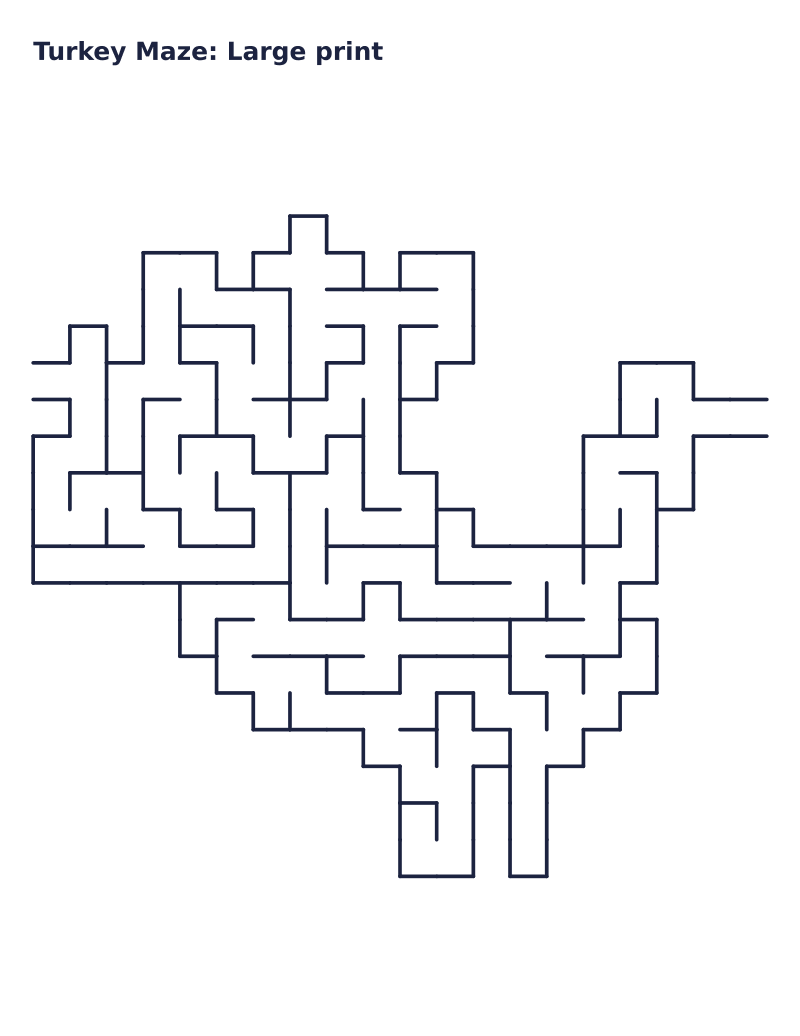 Turkey maze, large print20 × 20 grid · EasyAll 4 on its page →
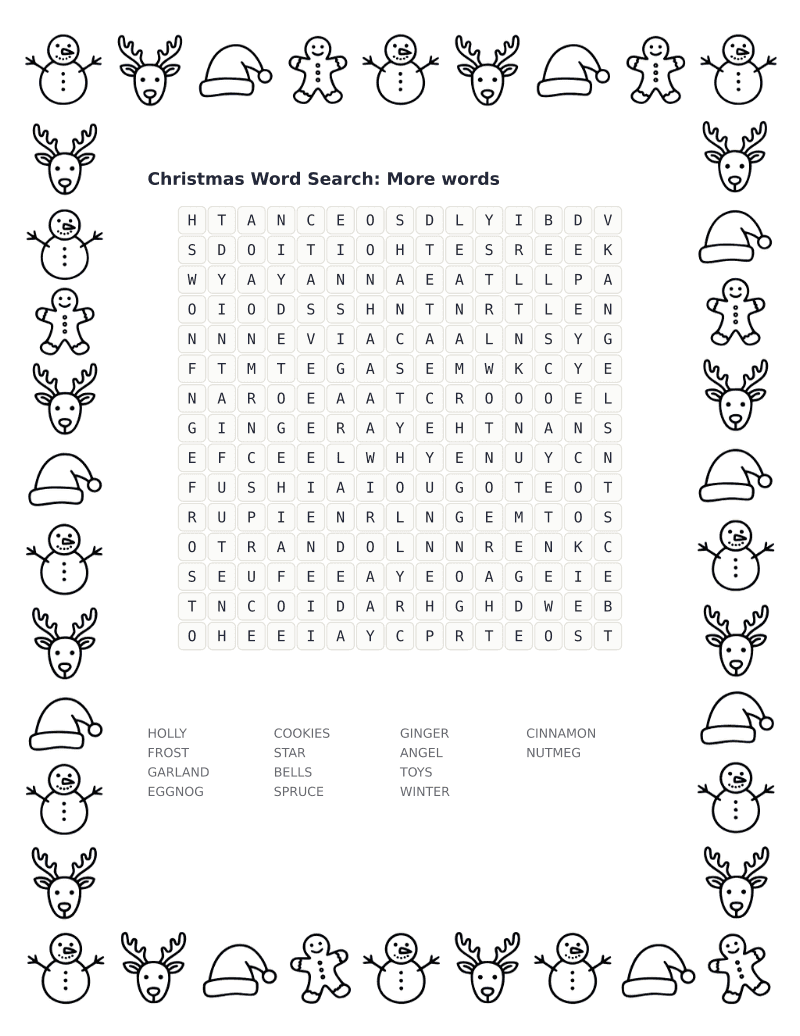 Christmas word search, more words15 × 15 · 14 words · Medium, adds diagonalsAll 6 on its page →
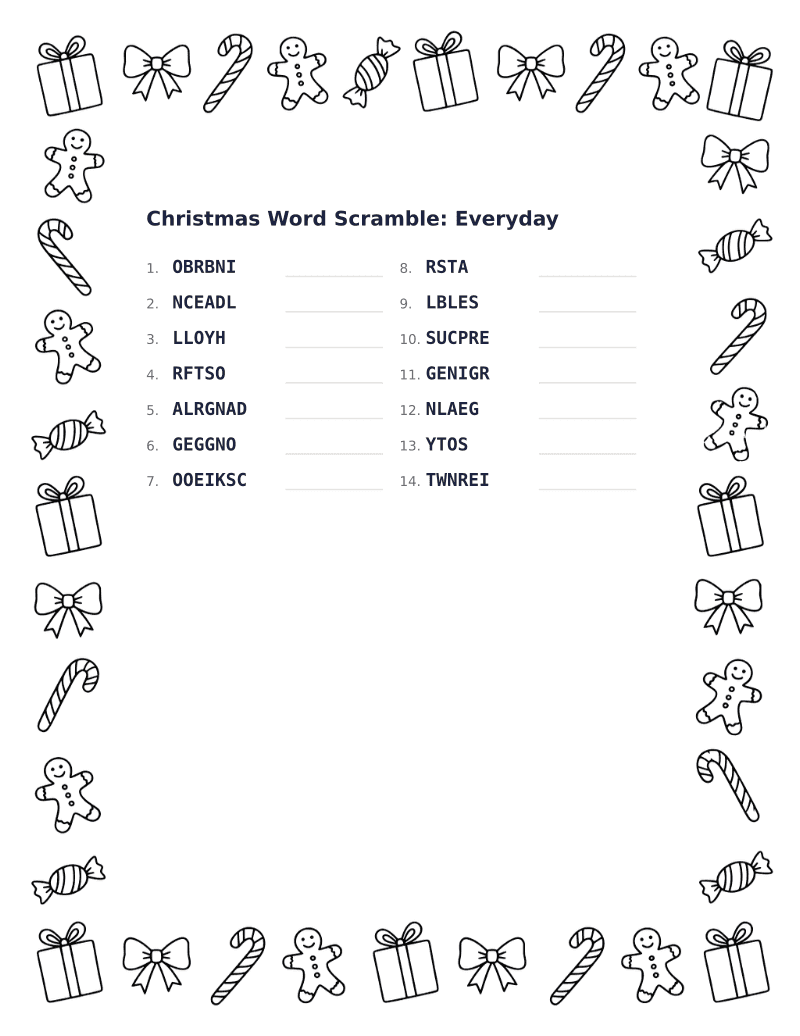 Christmas word scramble, everyday14 words · Medium, every letter movesAll 4 on its page →
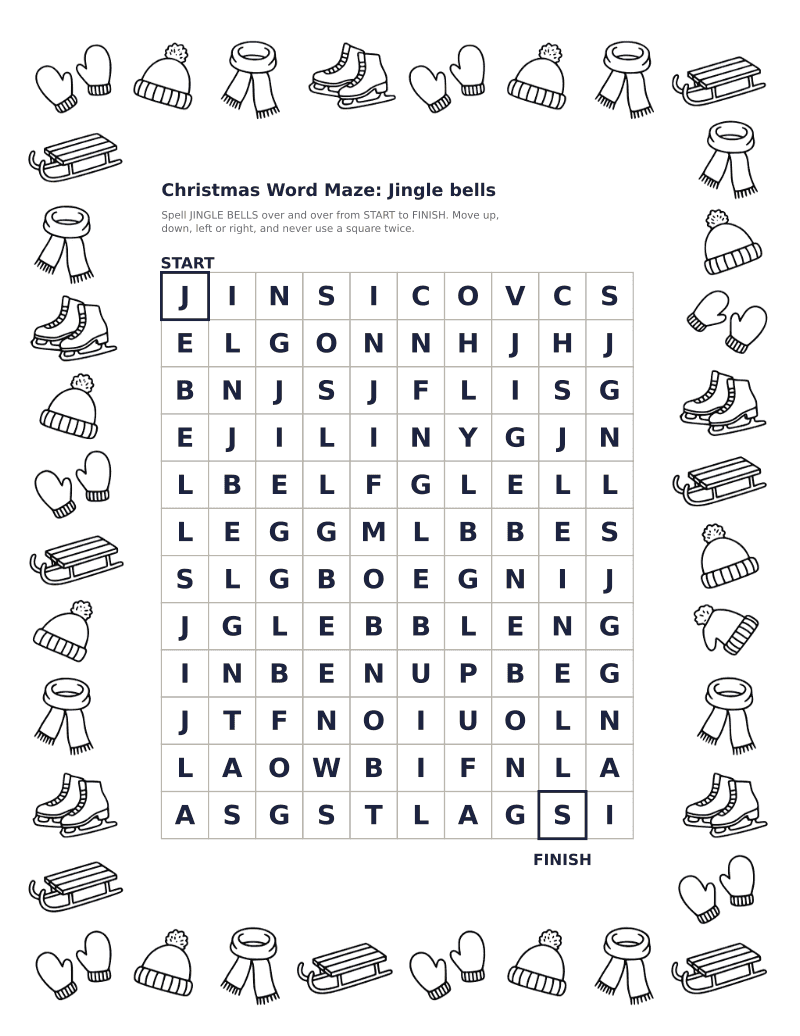 Christmas word maze, jingle bellsJINGLE BELLS · 10 × 12 · MediumAll 4 on its page →
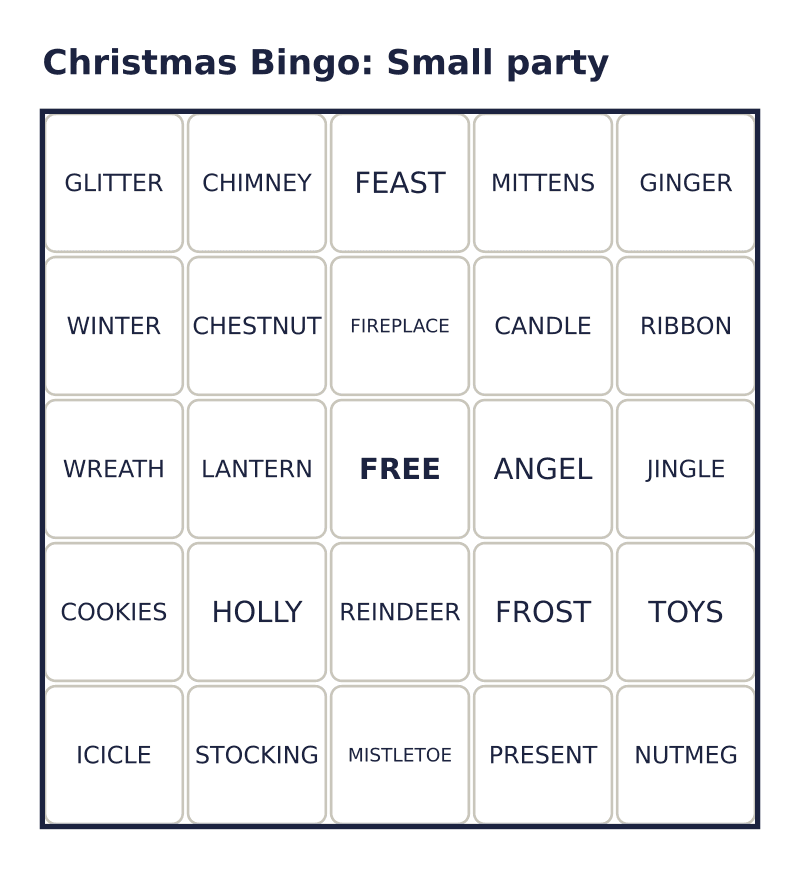 Christmas bingo, small party8 cards · 5 × 5All 4 on its page →
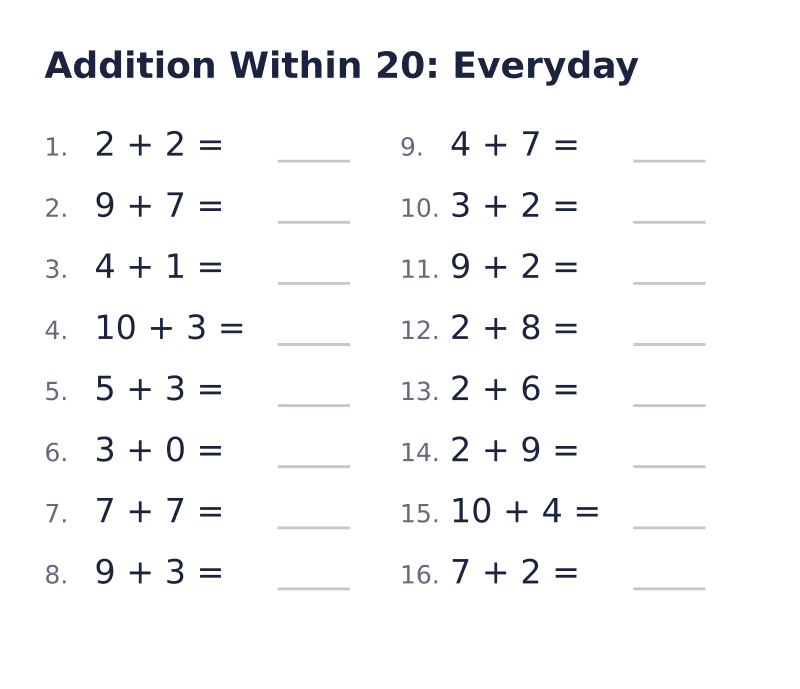 Addition within 20 math worksheet, everyday50 problemsAll 4 on its page →
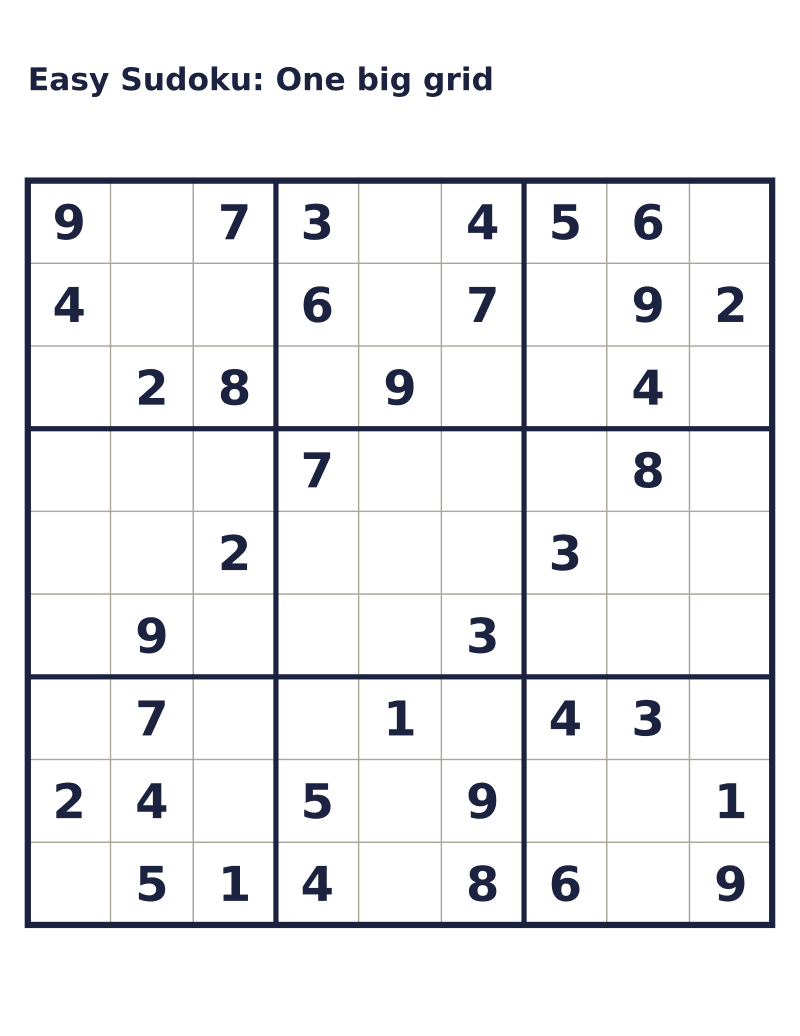 Easy sudoku, one big grid9 × 9 · Easy · 1 puzzleAll 4 on its page →
What can go in a book
Each row is one kind of page, under the name the Puzzle menu gives it, and the name links to the maker that makes the same puzzle one sheet at a time, with more settings than a book offers. The themes are the choices on that kind’s own theme menu, and the last column says whether the kind has an answer page at the back of the book.
| Kind of page | Themes | Sizes and levels | Answer page |
|---|---|---|---|
| Word search | 36 | Up to 18 words in a grid of 11 to 17 squares a side, and every third page a secret word grid of 8 to 11. Easy, medium or hard. | Yes |
| Word scramble | 36 | 12 words a page. Easy, medium or hard. | Yes |
| Criss-cross | 36 | Up to 10, 12 or 14 words a page for easy, medium or hard. First words for kids, whose short words rarely cross, often holds fewer, and each page says how many it has. | Yes |
| Crossword | 7 clue banks | 11 clues a page, on the page with the grid, and two pages at most. Each bank is written for the ages it names. | Yes |
| Maze | 36, 9 of them with shaped mazes | 14, 20 or 26 squares a side for easy, medium or hard, though an easy maze in a detailed outline, such as a pumpkin or a turkey, needs 16 to 20. | Yes, the solution |
| Word maze | 36 | One word from the theme spelled through a 10 by 12 grid of letters. Easy, medium or hard. | Yes |
| Connect the dots | 9 with a picture | Up to three pages of the theme’s picture, from fewest dots to most, with 50 at the top (75 for the turkey): seven themes have one picture drawn at three counts, and Halloween and winter have two. Counted by ones, no frame. | Yes, the finished picture |
| Sudoku | 36 | One 9 by 9 grid a page, large enough to write in. Easy, medium or hard. | Yes |
| Math practice | 36 | 50 problems a page: addition, subtraction, times tables, division and fractions in turn, or one of them throughout. | Yes |
| Multiplication chart practice | 36 | The 1 to 12 chart with a quarter, half or three quarters of its squares left empty, for easy, medium or hard. | Yes |
| Hundreds chart practice | 36 | The 1 to 100 chart with a quarter, half or three quarters of its squares left empty, for easy, medium or hard. | Yes |
| Tracing lines and shapes | 8 sets | One to eight pages, each set as the tracing maker prints it. No frame. | No, nothing to answer |
| Bingo cards | 36 | 5 by 5 cards with a free center, up to 60, after a call list of every word in the theme. | No, a call list instead |
What you get
One PDF containing the whole book: a title page if you leave it switched on, then the activities in reading order, then every answer page gathered at the back. Whenever the book has answer pages, every activity with an answer page is numbered and the answer page carries the same number, so nothing has to be matched up by guesswork.
The puzzles come from the same generators the individual makers use, and each page is laid out by the same page builder, so a page here and the same puzzle from its own maker cannot drift apart. What this page adds is everything between the pages: the order they come in, the sizes and levels that change from one page to the next within a section, and the numbers that tie each puzzle to its answer page.
How it differs from making sheets one at a time
Downloading forty sheets from five different tools gives you forty files, all called something similar, in no particular order, with the answer keys scattered among them. Most of the work in making a book is the arranging, not the puzzles.
Ordering is the part worth having done for you. Set the sections to mix and they take turns in the order listed, with never more than two pages of one kind of puzzle in a row while a section of another kind still has pages to give, so a section much larger than the rest finishes as a run at the end. Bingo sections sit out the turns: each one prints whole after the puzzles, its call list first and then its cards. Set them to keep each together and every section prints as one block, which is what you want when the pages are being handed out as a set rather than bound.
Difficulty rotates unless you pin it. Left on easy to hard, word searches, word scrambles, criss-crosses, mazes, word mazes, sudoku and the two chart practice kinds cycle easy, medium, hard and back to easy within each section, so nine mazes hold three of each level rather than climbing once from first page to last. Math pages have no difficulty setting and rotate through addition, subtraction, times tables, division and fractions instead, unless the section is set to just one of them. A crossword has no level either, since each clue bank is written for one age range, and connect the dots climbs from fewest dots to most on its own.
Choosing what goes in
Add a section for each kind of page you want: a puzzle, a theme, how many pages, and a difficulty where the kind has one, or an operation for math practice. Sections can be reordered, edited or removed afterwards, and the page count updates as you go.
Themes can be mixed in one book. Six Halloween mazes and four Christmas word searches is a perfectly ordinary request here, and each section keeps its own theme's artwork, so the Halloween pages wear Halloween frames and the Christmas pages do not. Connect the dots and tracing pages print without a frame whatever the setting, because their drawings are laid out for the whole page.
Three kinds have menus of their own, because a word list cannot make their pages. A crossword needs a clue for every answer, so it draws on seven banks of clues, each written for the ages it names; connect the dots needs a picture, so it offers the nine themes that have one, two of them with a second picture; and tracing offers eight sets of lines and shapes, each one of the tracing maker’s own ready-made sheets.
All but one of the word lists has forty words, the shortest has twenty-five, and each page takes the next stretch of the list: twelve words for a word scramble, up to eighteen for a plain word search. Ten scrambles therefore use ten different sets rather than the same twelve ten times over, but on a forty-word theme the sets start to overlap from the fourth scramble, and the eleventh repeats the first one’s words exactly.
Bingo works differently from the rest: the number you choose is cards, not pages, and the section opens with a call list of every word in the theme, then prints one five by five card per page with a free center. A card needs twenty-four words, and every theme on the menu has at least twenty-five.
Printing it
The file is US Letter, portrait, with margins that suit a home or school printer. Print it single sided to hand pages out, or double sided and staple down the left edge for something closer to a book.
The answer pages are deliberately printed without frames. Every activity except bingo and tracing gets exactly one, so a book without either has as many answer pages as activities, and a full page of line art on a sheet nobody looks at twice is a noticeable amount of ink for nothing. Turn answers off and they are never generated.
Everything here is free to print, as many copies as you need, for one child or a whole school, and printed copies can be shared with parents, colleagues or students. Use is not limited to home and school either: a tutoring session, a library, a nursing home or a club is covered too.
Common questions
What can go in a book?
The activity book maker holds thirteen kinds of page, in any mix: word searches, word scrambles, criss-cross puzzles, crosswords, mazes, word mazes, connect the dots pictures, sudoku, math practice, multiplication chart practice, hundreds chart practice, tracing lines and shapes, and bingo cards. Flash cards, place value charts, graph paper and the tracing of names, letters and numbers are not among them; each of those has a maker of its own.
How many pages can one book have?
Up to sixty pages per section for most kinds, or sixty cards for a bingo section. Three stop sooner, where their different pages run out: a crossword section holds two crosswords, connect the dots three pages, and a tracing section the pages of its set, one to eight. There is no cap on the number of sections, so a book can run to several hundred pages if you add enough of them. Answer pages come on top of that count, one for every activity except bingo cards and tracing pages, and because the whole file is assembled in your browser rather than on a server, how long a very long book takes depends on your own machine.
Do I need an account, and is there a watermark?
No to both. The activity book maker is free, with no sign-up and no email address, and nothing is stamped across the pages: the site’s name appears only in a one-line credit at the foot of each. The book is put together in your browser, so the title you type and the choices you make stay on your device, and the PDF is written on your own machine rather than sent from a server.
Can I get different puzzles with the same settings?
Yes: press New puzzles, beside Download, and every section is dealt new puzzles in the same kinds, themes and levels, with each theme’s words shuffled afresh. Until it is pressed, the same choices make the same book on every visit, so a book rebuilt next week matches the copies already handed out. Connect the dots and tracing stay as they are, because a picture at a given dot count and a tracing set are the same pages every time. A new set lasts until the page is reloaded and is never saved or put in the page address, so keep the PDF of any set you want again.
Can a teacher use it for a sub plan or early finisher packet?
Yes. For a sub plan, set the order to Keep each together, so each section prints as its own run of pages for a different group or period, and leave the answers on: they all sit at the back of the file, so the puzzles can be printed for the class and the answers kept back for whoever is covering. For an early finisher packet, Mix them up gives a change of puzzle every page or two, and pinning sections to Easy, or math practice to addition only, keeps every page within reach of a younger class. A title of up to sixty characters prints on the title page, so the packet says what it is.
Can one book use more than one theme?
Yes. Each section carries its own theme, and its frames rotate only through that theme’s own designs, so a Christmas design never lands on a Halloween page; connect the dots and tracing pages wear no frame at all. Mixing themes changes two other things: the suggested title becomes “My Activity Book” instead of naming the theme, and the title page frame can be picked from the designs of any theme in the book.
Why are the answers gathered at the back instead of following each puzzle?
So a page can be handed out without its answer on the other side of the sheet, and the answers can stay with whoever is grading. They follow the activities in the same order, one answer page each. A bingo section adds none, since its call list, printed before the first card, is the record of what was called, and neither does a tracing page, which is its own answer.
Why do some word searches say secret word?
Because every third word search in a section, starting with the second, is packed so that the squares no word uses spell a hidden word from the theme, reading left to right and top to bottom. Find all the listed words and the leftover letters spell the answer. The hidden word is left off the list, and these grids pick their own size, eight to eleven squares a side, usually smaller than the plain ones.
Can I sell the books I make here?
No: the site’s terms rule out selling the pages themselves as a product, for example bundling a book made here into a pack sold on a marketplace, and presenting them as your own work. Charging for your time is different, so a paid class or a paid event can use as many printed copies as it needs.
Want to know when new printables go up?
New printables when they go up, mostly seasonal, a few times a year.